

Stop the Heat Leak: Why Ceramic End Caps Matter
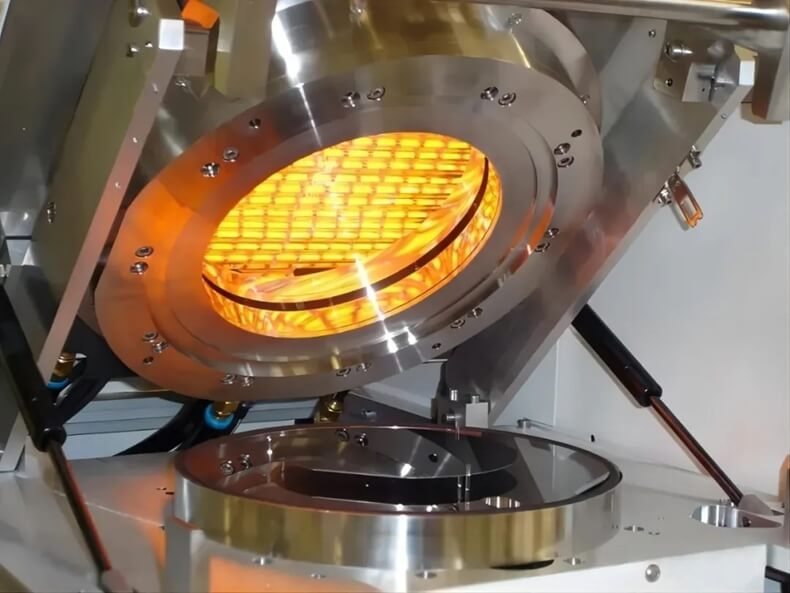
Here’s the problem with standard infrared emitters: they blast heat everywhere. In a cramped semiconductor tool, that’s a nightmare. When that IR energy misses the wafer and hits the inside of your machine cabinet instead, you get “heat soak.” Suddenly, your chassis is hot enough to burn someone, and your cooling system is screaming just to keep up. It’s a waste of energy and a massive headache. That’s where ceramic end caps come in. We basically put a high-temp ceramic “plug” on the ends of the quartz tube. This blocks the heat from leaking out the sides and forces it to go exactly where you want it—straight toward the target. It turns a wild spray of heat into a focused beam. It makes a world of difference for your gear. Without these caps, the ends of your emitter are basically little space heaters aimed right at your wiring and the tool frame. By stopping that waste heat, you get a much cleaner heat profile on your workpiece and a cooler environment inside the machine. Your electronics won’t drift because of the heat, and your operators can actually touch the equipment without worrying about a burn. The practical side of things Installing them is easy. For most IR arrays, it’s just a drop-in fix. No rewiring, no fuss. But, there are two things you need to watch out for. First, the physical size. These caps add a bit of length to the lamp assembly. If your mounting brackets are a tight fit, you might run into some clearance issues. Just double-check your measurements before you dive in. Second, keep an eye on your power cycles. Because you’re joining quartz and ceramic, there’s some extra stress at the seal point. If you crank the power up too fast, you could shock the material and crack the seal. Just keep your ramp-up times steady and you’ll be fine.