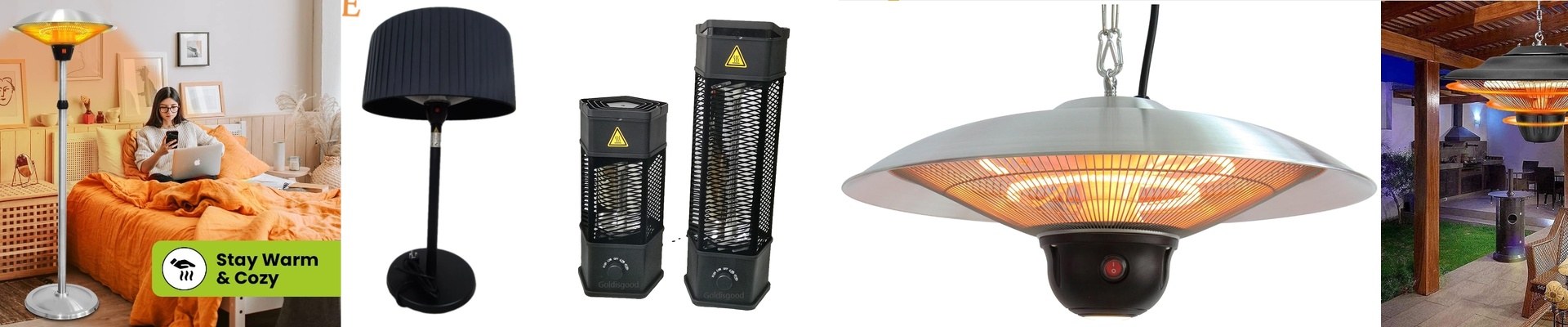
Oil-Filled Radiator Heaters: The Real-World Heat Solution
We build these heaters for the tough spots—the industrial places where you need steady, radiant heat, not a blast of air that kicks up dust. The whole idea is pretty straightforward: a sealed quartz tube, packed with thermal oil, with the heating element tucked inside. That sealed setup is why it keeps working reliably, even when the environment is dirty.
Power, Voltage, and Size: Matched to the Job
Here’s the key: we don’t force your job to fit the heater. We tailor the power and voltage to fit the work. Go with a 400V input, and you can run longer lines with thinner copper. That means less voltage drop, and less headache when you’re laying out the line. We tune the wattage density to the tube length. For example, a 300mm tube can hit 2500W. That’s a lot of heat in a small space, so your machine’s cooling needs to keep up. And the shortwave output? It concentrates the energy to heat the surface fast. That’s exactly what you want when your process cycles quickly and timing is everything.
Materials and Design: Built to Stay Calm Under Pressure
Quartz is the backbone. It handles sudden temperature shifts without cracking, so the element stays stable. The halogen fill helps the filament last longer and keeps the output consistent over time. The coating on the surface cuts glare and evens out the heat spread—so you get smoother, more predictable heating. We use R7s connectors because they lock in quickly, keep the wiring polarized, and don’t give up when the machine vibrates. And the oil fill isn’t just filler. It acts like a thermal buffer, smoothing out temperature swings and protecting the element from running dry.
Where It Shines, and What to Keep in Mind
These heaters are a natural fit for PET blowing, plastic pre-heating, and packaging sealing stations. They take up minimal space, and mounting is simple. The payoff is heat you can count on, cycles that repeat cleanly, and a straightforward replacement when service day comes. Just keep one thing in mind: the heat density is high. Plan your airflow and guarding so everything stays within safe temperature limits.