
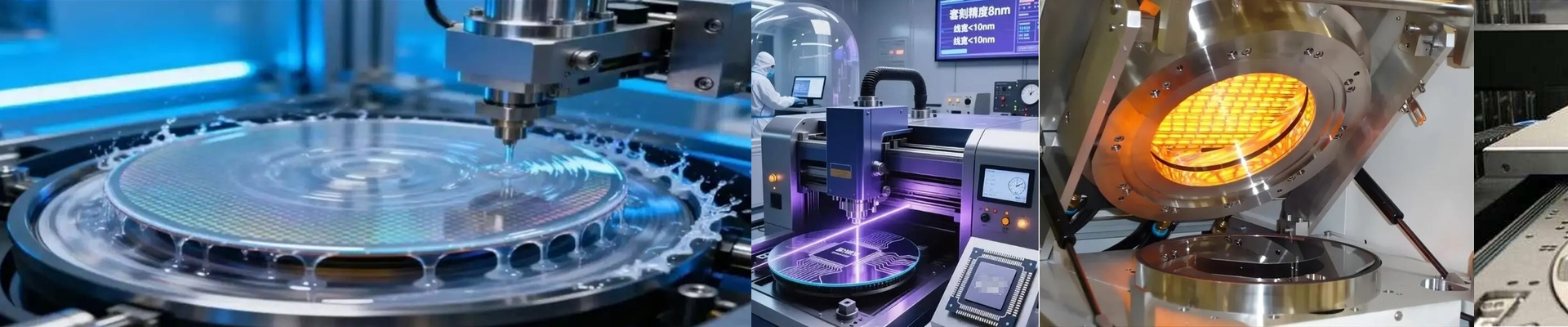
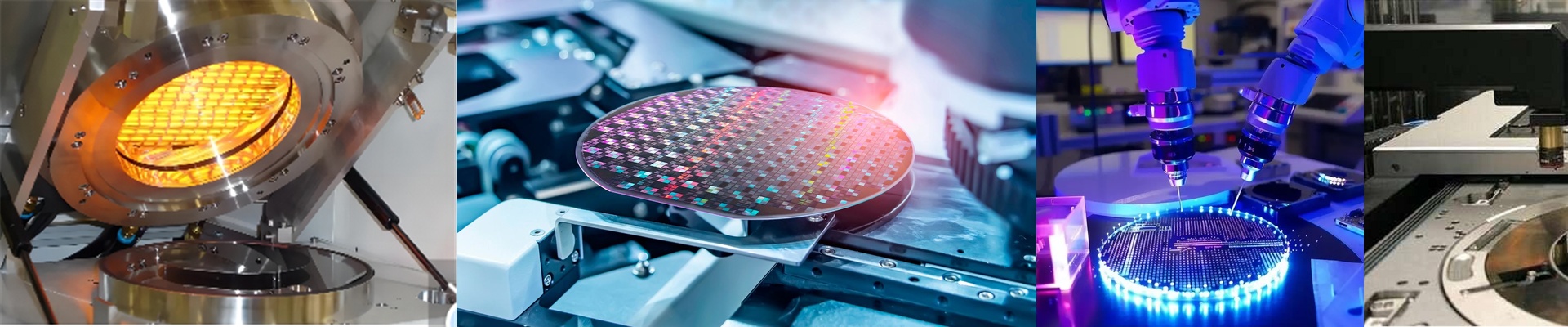
Out on the fab floor, you learn fast that a half-degree drift during a photoresist bake can push linewidths enough to scrap a whole lot of wafers. Uptime and repeatability aren’t “nice to have.” They are the process.
What actually matters under the hood
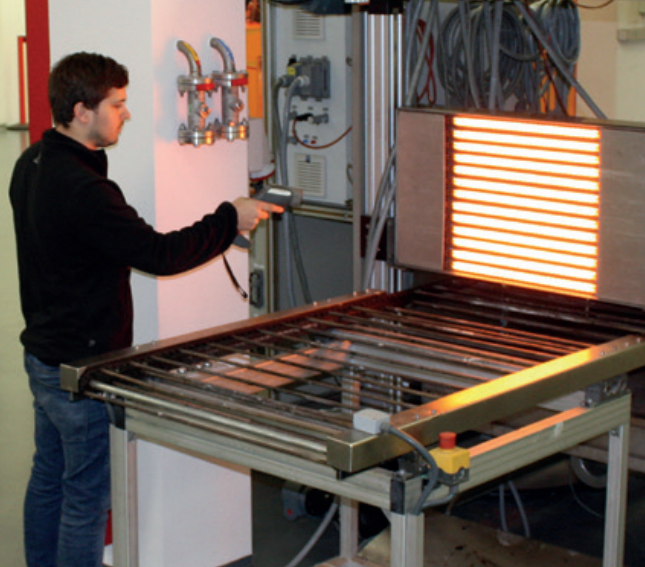
We built the infrared bulb with a gold reflector to deliver stable, directional heat with tight spectral control. The payoff is wafer-level temperature uniformity within ±0.1°C across the bake surface. The gold reflector boosts radiant efficiency, so you cut warm-up time and the setpoint settles faster. You get consistent output after 5,000+ hours, with less than 5% intensity drop. And the design keeps particle generation at zero, which holds up in cleanroom Class 1–100 environments.
Why this fits the work we do
This bulb is aimed squarely at semiconductor thermal steps: soft bake and hard bake in lithography, wafer drying, and packaging reflow profiles. Precision here means tighter control of CD variation—and that translates straight into yield. Reliability means you can run 7×24 without unplanned downtime. No more midnight lamp swaps. When the process is repeatable, SPC tells the story: Cpk stays stable over weeks, which makes qualification—and re-qualification—cleaner and faster. Energy use drops too, because the gold reflector concentrates energy where it’s needed, not on the chamber walls.
The details that bite you if you skip them
Installation comes down to polarity and reflector alignment. Get those wrong, and you’ll see hot spots that wreck uniformity. Check your chamber geometry and airflow. If you ignore localized cooling, you’ll fight the profile every time. Keep the bulb within its specified voltage tolerances. Excursions shorten life and can shift wavelength. For the tightest thermal budget control, pair it with a calibrated pyrometer and closed-loop control.